| Cartianu Family MUSEUM CULA CARTIANU |
| HISTORICAL ARCHITECTURAL MONUMENT |
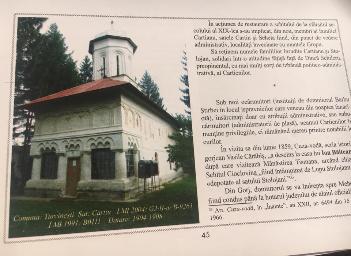
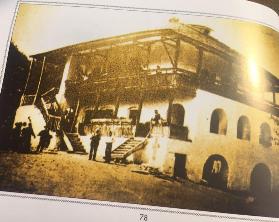
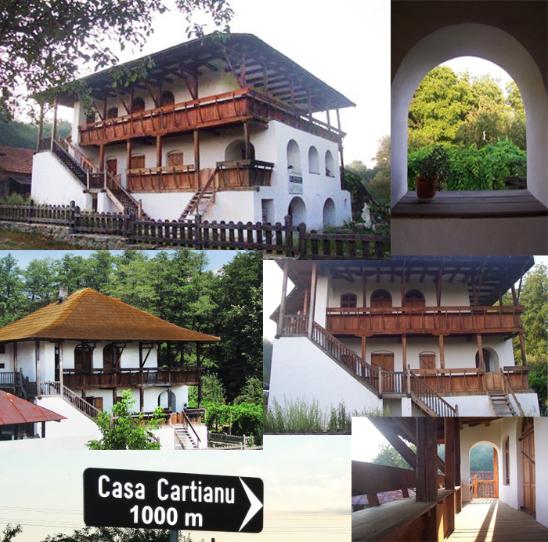
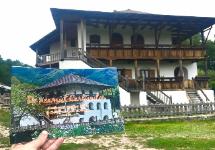
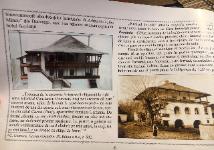
| "With a picturesque part of wooden stairs and verandas that surround the house, Cula Cartianu is located near Valley Stream Cartior, not far from Jiu Valley. The Cula is built by Ceausu Cartianu in the 18th century as a fortified house. The Cula suffered several interventions over time, receiving the shape of a house in a later stage as presented today. The building has a ground floor and two floors of three rooms. The slightly buried ground floor is composed of two vaulted cellars, with separate entrances. They are linked on the east side by an open room, with the decorative elements of two massive arches of stone and brick masonry. Thick walls are built of river boulders and stones to a thickness of 1.2 m. What gives a unique touch to the building are the attached porches on all sides of the house and two wooden external stairs. The first floor presents around a nucleus of three rooms, a large porch, stopped on the east side. On the second floor, divided in the same way as the first, the porch is limited only by wooden poles. Cula Cartianu suffered many changes over time, and restoration was completed in 2004, which sought to restore the building as an original look. From that year, Cula Cartianu hosts an exceptional ethnographic museum." (Newspaper Vertical) |
| ARTICLES SELECTED |


| ARTICLES SELECTED |

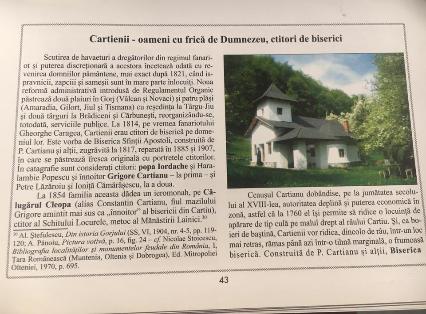
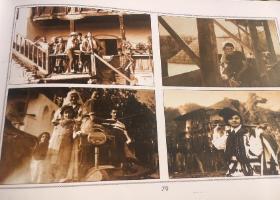
| "Gorj county is rich in history, historical relics testimony are available. Cula Cartianu, which belonged to the sixteenth-century family of boyars Cartianu has an amazing architecture and ethnographic collection to offer. Cula Cartianu is representative for the eighteenth century Romanian architecture. The model of this house is exhibited in the lobby of the Institute of Architecture "Ion Mincu" in Bucharest. Cula Cartianu, exhibits costumes and documents that belonged to the family of boyars Cartianu. The house was renovated and equipped to become a museum with ethnographic air. The building was outfitted with period furniture, including carpets of Cartianu family from old times, most objects belonging to this family set." (Newspaper Impact) |
Pages of History