| Short History of Cartianu Family |
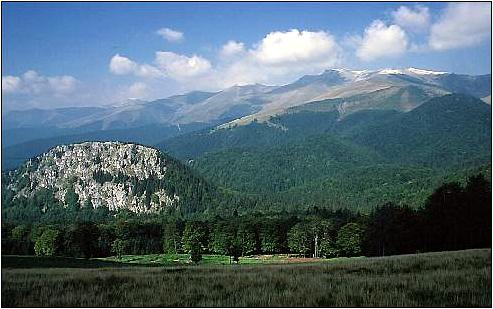
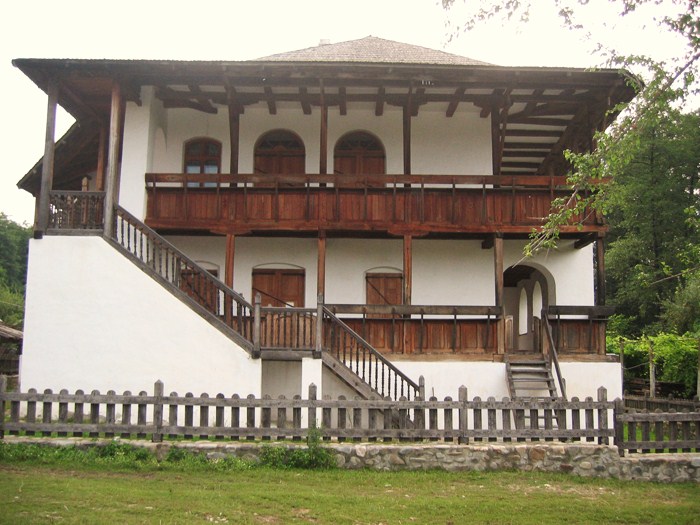
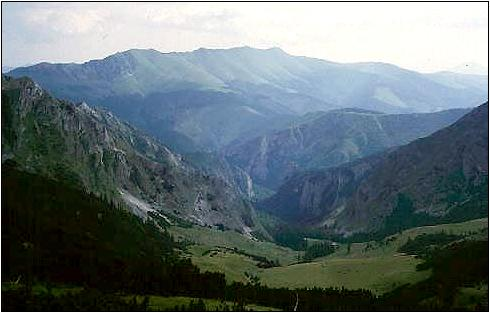
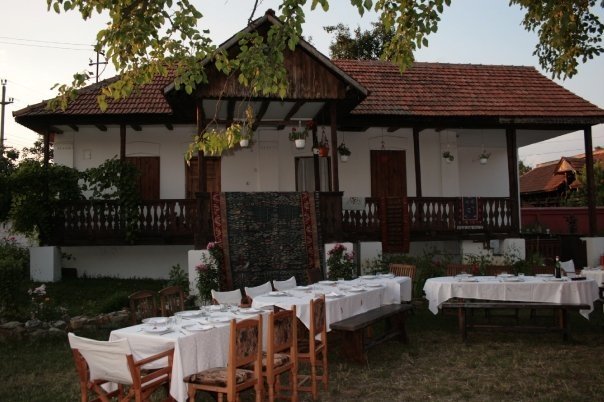
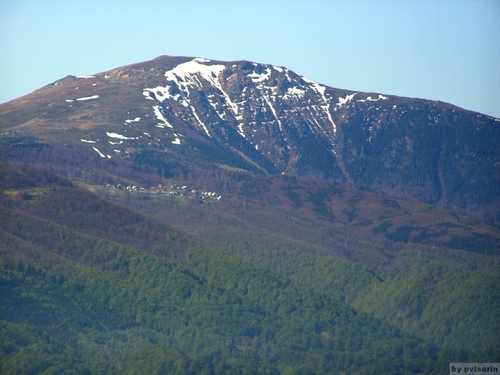
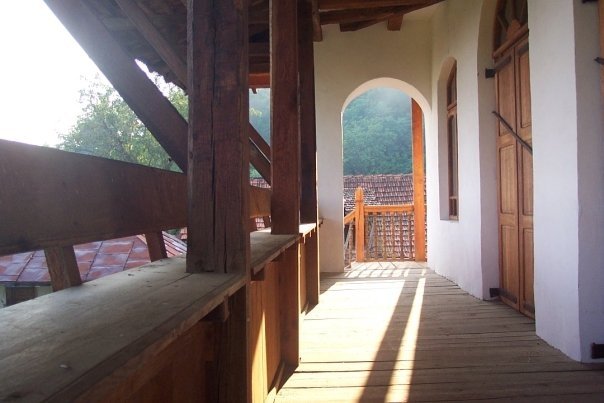
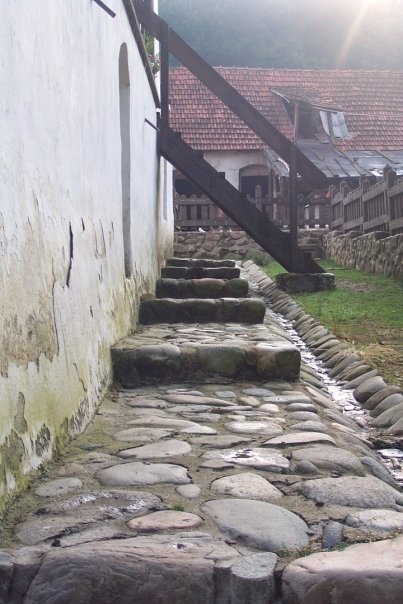
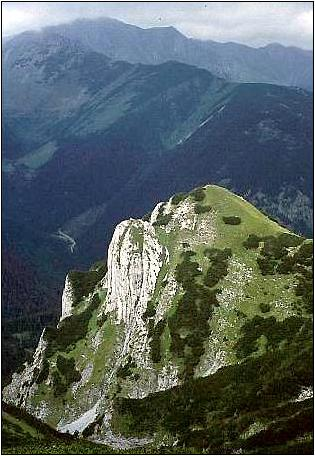
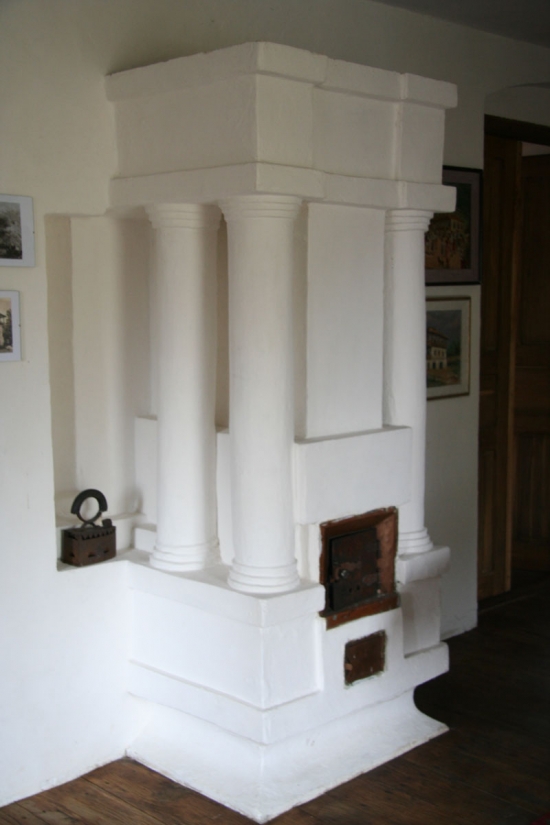
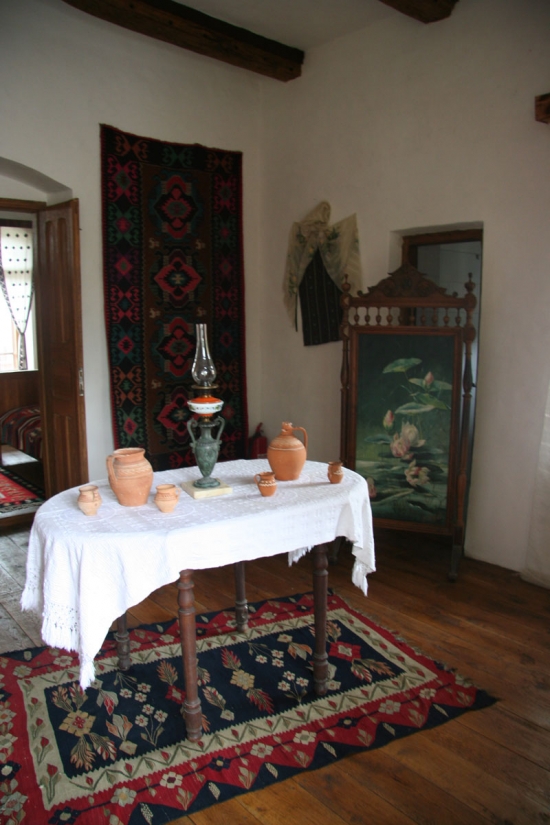
Fragment from the book: "The House of Thousand Mirrors" "Talking about my family roots I have to go back in time around the year of 1700 when a part of my family history begins. I was lucky enough to meet the elderly people from my family and they told me incredible stories about our family history. Some of the stories seemed like fairy-tales, some like incredible historical acts of bravery and others like beautiful stories of life. The history is difficult to be covered in a couple of pages, but the crucial moments that followed the year 1700 when one of my ancestors bought land in the central part of Romania building a house and growing a family are just acts of pure life as sinful and great it can be. This man was a merchant who loved the surroundings of the country side by the mountains. When he was ready to marry and have children he left the big city for a small and beautiful place by the mountain whose name is going to be Cartiu. He put the rocks of the village and bought all the land around it and the mountain. He named the mountain Cartianu and the River Cartior . Being a very good, and very kind man he gave the land to the people in the village to take care of it, to make agriculture and feed their families. His name was Enache Cartianu. He had 7 children and thats the way our family begin to grow. The tradition in my family was to have many kids, marry beautiful women and be a great hostess for everyone who walks through our door. Another important thing in the family was that the first child, if it is a boy, should be name Enache and also, the first child was in charge of all the properties after his father death sharing the possessions equally with all his brothers,or sisters with the rule of never fighting for money or fortune as everyone had the same and nobody was left behind. The Cartianu people loved to enjoy life, and usually the house from Cartiu was full of guests - writers, artists, sculptors, musicians and many other social strata. They had traditional fasts with home made wine, traditional food and lambs roasted on the fire. They were inviting the old Gipsy fiddlers to sing till the morning rise, and encouraged the people around to be as free as they could in times when freedom was just a dream. Even the time had more patience with people, the days and the years went by fast as a summer rain till the beginning of 19th century which was marked through an exceptional movement for social freedom, internal reorganization. The generous ideas of French Revolution which seconded the social justice and equality, as well the right at self - determination of oppressed people comprised the whole Europe: the absolutist empires, strike by the force of napoleon genius seemed to be near the fall, but Napoleon Bonaparte’s removal imposed the maintaining of the old structures. In Balkan Peninsula, the liberty, unity and national assertment will was more and more difficult to impede. At the fulfill of a century of fanariote reigns, the Romanian society was impeded by institutions and a political class governed by corruption and by the wish of fast enrichment through the robbing of the resources of Danubian Participates, this ones being in a permanent instability. The maintaining by the Porte of fanariote reigns kept a system of exploitation without equal in our whole history: the buying of the reigns charged great sums, the money were obtained through the marketing of the jobs, each job having its price, the indirect taxes (for example the custom and salt works) came in the treasury of the ruler. The state treasury (budget) was formed from a personal tax paid by all the men of country aged over 16 years, but the allocation was entirely inequitably, because more of half of population (the boyars, the relatives and the clergy) was absolved of contribution. Through an administrative staff without scruples, the money were raised from the taxes payers through the rudest methods. Under these terms, the efforts of landing boyars to remove the fanariote princes and to consolidate the institution of reign represented the will of entire people for national assertment, against the dominant tendencies of a class imposed from outside and alien to the interests of Romanians. The decisive element of this action was the secret Greek society "eteria" (the Brotherhood or the Friends’ society) formed at Odessa in 1814 and having on its head Alexandru Ipsilanti, the son of the ex- fanariote prince Constantin Ipsilanti. In that period of time my ancestor had the position of “Ceaus” which represented a high officialdom over a region of the country. Friend with Alexandru Ipsilanti he met the ruler of Romanians revolutionists Tudor Vladimirescu. Tudor understood the times in changing, he succeeded to gather fortune, gaining a prestige position in social hierarchy. In the period June - December 1814, Tudor Vladimirescu was at Wien. In the capital of Habsburgic Empire, Tudor was interested by the new European combination of events after the first fall of Napoleon Bonaparte. When he came back home he went to Cartiu at our old house and begin planning a new form of organization, and put together an important army force of the country called pandurs. In that period of time our family gave a lot of support for our country freedom, and opens the house for secret meetings between Tudor Vladimirescu, the pandurs and the supporters of revolution of 1821. Our historical involvement in times of revolt created the opportunity for my family to be part of great moments for my country. It helps the followers of freedom to fight for it and free the country. Even Tudor Vladimirescu was murdered during the revolution my family gave support to his army of pandurs, and the other parties involved in the fight for freedom. Around 1838 the young Enache Cartianu of his generation was student in Belgrade, Serbia. There he had the opportunity to meet and receive hospitality from Milos Obrenovic (Info) family. The friendship between Enache Cartianu and Mihailo Obrenovic, the son of Prince Milos Obrenovic, brought the two families together. In 1839 he was introduce to Jevrem, the older brother of the Prince who had a daughter, 10 years old, named Dumitrana. Milos abdicated in 1839 in favour of his son Milan who died a few weeks later, then Mihailo became Prince till 1842. The relationship between the two families became stronger in time and in 1842 when Mihailo Obrenovic was overthrown many members of Obrenovic House went in exile in Romania. Jevrem Obrenovic found refuge at Marasesti, and Enache Cartianu was visiting them often so, in time he fall in love with Jevrem daughter, Dumitrana. She was only 14 years old so even he asked her in marriage the families decided that they have to wait till Dumitrana will turn 20 years old. After many years they got married in a church build by my family and moved to the house in Cartiu. (...) In 1945 the communist manifestations begin in the urge of taking the power, money and land from the boyars and give it to the people. The first period of communist dictatorship begin in 1948 till 1958 under the power of Gh. Gheorghiu Dej whose politic system had the most repressive character in Romanian communism. The teachers, artists, writers, wealthy families, boyars, the elite of the country were arrested, beat and some of them killed. The young communist formed groups of people under the government permission called “militia”. They were in charge of going to every teacher, artist, wealthy family house to see what they have inside - paintings, jewelries, art, money - and take everything away because nothing belonged to them anymore. Everything they had belonged to the government - they used to say that “everything belongs to the people”. A group of “militia” came at Cartiu and said that in the power of the communist party they had to take everything from the house, and all the land my family had. My great-grandfather was the first son in his generation and he had the power over the common properties at that time. The common legal papers over the land were at his house but at Cartiu nobody said that because they knew what’s going to happen if they say. They give to the “militia” the papers on the land around the house. After the militia took everything they wanted vandalize the house from Cartiu. Afterwards they went to my great-grandfather house and told him that he has to give to the party everything he owns - and he did. They took the art collections, the books, jewelries and the land. But the only thing my great-grandfather didn’t give them was the certificate of ownership of the Cartianu Mountain. He didn’t give them that paper because he wasn’t the only one who owns it. He still had his brothers and sisters, some of them at Cartiu. After the “militia” left he took the carriage and went to Cartiu to see what happened over there. He found his sisters crying and all the people from the village in front of the house. Militia has taken everything from the house, art collection, the handmade rugs, the jewelries and even the nice furniture. Then they broke everything they didn’t need. But most than everything, they broke hearts and they destroyed history. Nothing could’ve been done, everything was lost. They didn’t know what to do with the paper for the Cartianu Mountain, and thinking that it’s the only evidence that existed over that property, they burn it. At 30 December 1947 the Romanian king Mihai was forced to abdicate the throne and instead of royalty was created the Popular Republic of Romania marking the great success of communist and opening the doors for a totalitarian regime. Many things changed for the worst, my great-grandfather wasn’t allowed to teach anymore because his training as a professor occurs during the monarchy. The communists had another system of values ruling and teaching everything under a very different vision. With no land, no job, no money they were left behind in the shadows of the new world. Though, they were not the only Cartianu left to live the consequences of the brutal system like the communism and many members of my family went through a very hard time for all their lives. Still, we are all survivors and each one did something nice with his life, especially in my generation. In our own particular way we are born with an incredible zests of life and optimist which is a characteristic quality of our family that remain in every generation. During college my grandfather fall in love, and marry a beautiful girl named Elisabeta. He became an engineer. The communist party opened jobs for every graduate student, and my grandfather got a good one because he was an A student. The new family Cartianu moved in a very beautiful city by the Danube River at the borders with Serbia, country which also became the Republic of Yugoslavia. Even the family back home lost everything, the kids with the help of the good education had a future in life, and they had another chance. All of them married and find their way in life keeping a very closed relationship with each other. The time passed by and even the memories of old times were running in their hearts the world was moving on and their lives too. Life seemed to change. Till the summer of 1951 when the gates from their parent’s house were opened by a group of “militia”. The “militia” begins breaking everything around the garden shouting after my great-grandfather. When he came out of the house they arrested him in the name of the communist party with the accusation of betrayal of the state. Nobody knew why, and in my great-grandmother crying they burned the big house taking her husband away. The fire perishes everything and my great-grandmother heart too. After three days they broth my great-grandfather back carried on their arms. He died a couple of hours later from internal hemorrhage. They beat him till he died because of the burned paper over Cartianu Mountain. From that day my great-grandmother lived in the summer kitchen that wasn’t destroyed by the fire. All their children were not allowed to say who their father was as otherwise they would’ve been arrested, and their lives and hopes killed. From that day the real change begun. A new world has come and the only way to survive it’s madness it was to apply the system. But inside your heart you had to believe in more than a world that kills the education, the art, the hope, the philosophy, the beauty of history, and so many other important things of life. My grandfather become the deputy minister of resources, his older brother Enache become sylviculture engineer, and their younger sister became academician doctor in science and married a young boy who became the deputy minister of culture, and then ambassador for more than 20 years. All of them did something great with their lives and they put something great in me. Not just the blood I was borne with. Not just the passion for beauty and life. These people gave me their strength, and the proof of ambition. These people teach me to never quite my dreams, and my fight for a beautiful life. Also, no matter what, losing everything or start from the beginning with nothing, when you have yourself and your dreams you always have more than you think. “Don’t look inside your pocket, look inside your heart. There you find your way” my grandfather told me once. I always listen to him, and that’s the reason I don’t treasure money or jewelries. I treasure art, literature, philosophy, human mind and heart. I treasure the dreams, and the ambition to make them real. I treasure the people who run for beauty and peace instead of gold and diamonds. “Every empire falls” he said to me “it’s not important where you get in your life, it’s important what you leave on the way living it, it‘s important how you fall (die).” After 45 years of communism, and all the wastage my family went through, the democratic government returned our land and mountain. Our family house from Cartiu was converted in a museum recognized as the most valuable architectural monument of XVIII century in Romania. Part of the art collection they found they exposed inside as a memory of our history." |
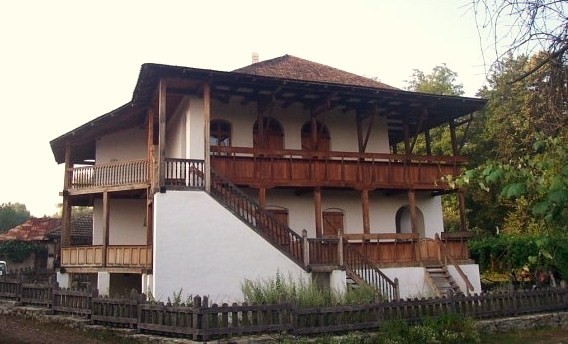
| As a child I always looked at that old house as a castle of secrets. I would’ve love to listening to the whisper of the walls, to find the truth in the darkness of the basement were in the nights of revolt were burning candles and hearts in the urge of freedom. My old aunt, the oldest woman I ever seen in my life, was telling me the stories she lived and the stories she heard about the artists, writers’ revolutionists and kings who walked in our house. I would’ve love to hear that house talking about the mystery of unknown history, about the people passion who walked through that doors, about love. Instead, the house was quite as a proof that secrets should never been told. But love…we should always talk about love because love makes us foul and beautiful. |
| REGION |
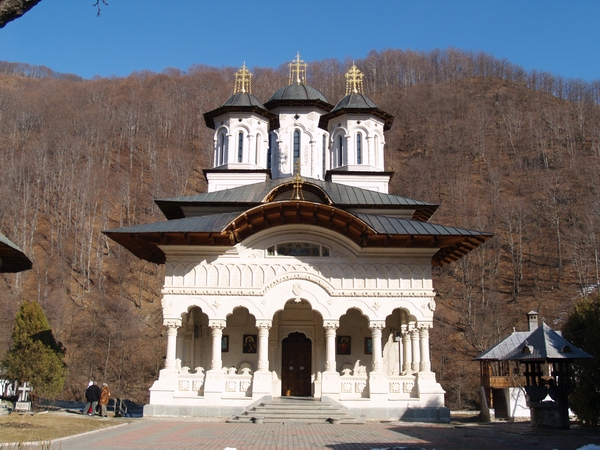
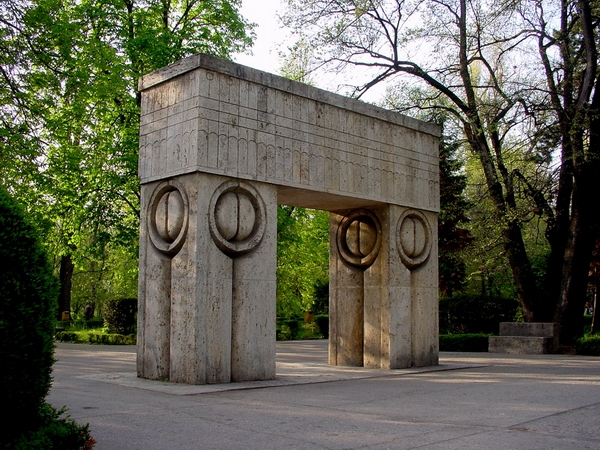
| On August 22, 1854 was born Dumitrana's brother, Milan Obrenovic IV (Info) who, later on, in 1868 became the Prince of Serbia and in 1882 became the King Milan I of Serbia. After their parents death, Dumitrana never wanted to go back to Belgrade considering the place too dangerous for her family because of the rivalry between Obrenovic House and Karageorgevic. Enache and Dumitrana had eight children and one of them is my great-great-grandfather. Unfortunately, many years later Enache Cartianu was assassinate by other boyars from the region because he was helping the poor giving them jobs to work the land in a period when the poor were treated as slaves by the rich. His attitude made the other rich peopl efrom the area mad and they killed him when the poor people revolted against them. Enache was buried in the family cemetery, but Dumitrana ordered a sculptor to make a beautiful cross and she put it at the entrance of the house as a monument for her beloved husband. |
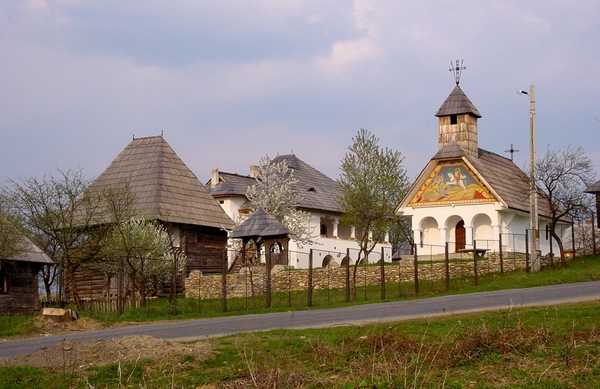
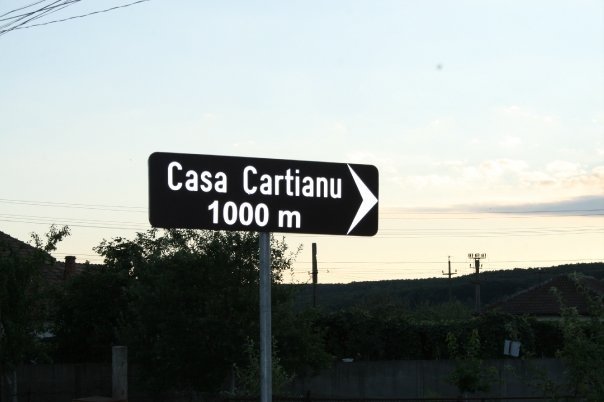

| YOU CAN VISIT US |